Bitter Gourd Plant Pests and Diseases To Look Out For
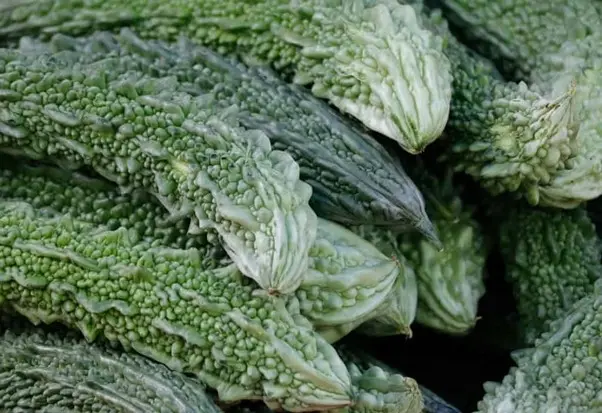
Bitter gourd or bitter melon is a tropical and subtropical plant from the Cucurbitaceae family. Bitter gourd grows in Malaysia all-year-round.
Since it’s a tropical fruit, bitter gourd grows in hot and humid climates. The best temperature for the bitter gourd seeds to grow is between 18 and 25 degrees Celsius. The plant flourishes best in fertile, well-draining soil.
First, make sure to plan bitter gourd seeds in a place with full sun for a minimum of 6 hours per day. Bitter melons require soil moisture but not damp roots. It’s essential to have space for growth as they grow big.
Bitter gourd seeds can be sown indoors and transplanted directly to the soil. Please note that it is imperative to make sure the soil is at least 16° Celsius for direct seeding. We recommend sowing one or two seeds in each hole at 2.5cm deep.
It’s crucial to leave the seeds at least 90cm apart if growing bush varieties, and 140cm apart if growing vining varieties. Remember to allow two meters between rows (also depending on the type of bitter gourd seeds). Please note that bitter gourd seeds usually germinate in approximately seven days, depending on the soil temperature.
Melons produce male and female flowers, and thanks to insects like bees, they’re pollinated. Commonly, low fruit is caused by poor pollination.
In Malaysia, the most prevalent plagues of bitter gourd include downy mildew, powdery mildew, fruit fly, and aphids. Let’s go into these disorders in detail.
Bitter Gourd Plagues
1. Downy Mildew
Downy mildew is one of the most frequent diseases of bitter melons. It’s a foliar disease prevalent in Malaysia, where high humidity and hot temperatures are all-year-long.
When you see small, water-soaked, yellow cuts on the upper surface of the leaves, you know your harvest of bitter gourd is suffering from downy mildew. If the disease extends, the infected tissues become bright yellow, and the middle of the wounds turns brown.
Please note that it’s common to detect white to grey powder on the lower leaf area, especially under high humidity conditions. Unfortunately, the infection can spread quickly, leading to defoliation and death. That’s why it’s crucial to control the disease immediately.
Management
- Regular application of fungicide
- Use plant spacing
- Avoid overhead irrigation
- If the harvest is small, you can remove infected leaves manually.
- Reduce a long time of leaf wetness by promoting good air circulation.
2. Powdery Mildew
Powdery mildew is another disease that is common in high humidity conditions and hot temperatures. The disease usually starts on older leaves.
The most common powdery mildew symptoms are to detect a white powdery residue on the upper leaf area. Circular spots are standard in the lower area.
Keep in mind that it might be challenging to identify the disease precisely as it is very much similar to downy mildew.
If the infection does not stop, the foliage becomes brown and dehydrate, and then defoliation occurs. Bitter gourd fruit doesn’t grow entirely and stays small.
Management
- Check the bitter gourd plants often to detect the infection at the beginning.
- Apply fertiliser as healthy plants are more resilient to powdery mildew.
- Regularly apply fungicides.
- Choose bitter gourd seeds that are more resistant to the disease.
3. Fruit Fly
Fruit fly attacks flowers, stems, and fruit. The fly deposits the eggs in the middle of the fruit and tissues devastating the plant. Once the eggs are attached to the fruit, they start internally eating the fruit resulting in yellowing and fruit rotting.
Management
- Make sure to monitor the vines frequently.
- Wrap bitter gourd plants with newspapers or brown bags.
- Restrain the male population by using pheromones.
- Use insecticides.
4. Aphids
Aphids are also called black flies, and they attack bitter gourd plants. When bitter gourd leaves become yellow, your plants are infected. When there is a high population of aphids, the leaves start curling, and the plant stops growing and weakens.
This pest also prevents the photosynthesis of the leaves as well as their transpiration. They’re also vectors of multiple viruses such as Potyvirus, Luteovirus, and Cucumovirus.
Management
- Keep the growing area clean of weeds.
- Remove plants that might be hosts of aphids.
- Use plastic mulch to push away aphids.
- Employ botanical extracts like canola oil and hot peppers.
- Utilize yellow sticky traps.
In a Nutshell
The best way to stop bitter gourd diseases and pests is by using multiple prevention methods. Make sure to monitor your plants frequently to spot any issue before it becomes a crisis. Happy planting!