
Chilli Plants Maintenance & Care
Hot chillies are essential for spicy food and exotic dishes. These ornamental plants are easy to grow from vegetable seeds and they do very well in pots and in gardens.
There are several varieties of chillies to choose from, but the top grow chilli plants are Habanero, Tabasco, Cili Padi and Cabai Kulai. They all can be used fresh, dried, pickled or powdered.
Chillies are related to tomatoes and eggplants and they grow better in warm weather and regular watering. They can be grown from seeds.
Chilli seeds are easily available from vegetable seeds online store, such as Soon Huat Seeds. In this blog post, we’re pleased to present to you some important tips for producing bountiful crops.
Chilli plants love full sun, and even though they will grow in semi-shade, they won’t produce as many fruits. So it is very important to place your pot in a sunny area away from strong winds.
7 Easy Vegetable Gardening Tips and Hacks for Beginners Things You Will Need
Here is a checklist of things you will need to grow chilli plants at home:
- Grow light
- Fertilizer
- Garden Shears
Vegetable Seeds
The first thing you need to do is to select a pot at least 30 centimetres wide and fill it with good quality of chilli seeds. Remember seeds can be sown directly, or seedlings can be transplanted into the pot. Don’t forget to water them well.
Sun
You need to place the plants in bright, direct sunlight such as window facing west or south. Alternatively, you can place the plants under grow lights for 14 to 16 hours per day, just make sure to allow 6 inches between the light and the top of the plant.
Chilli plants grow tall and spindly without adequate light.
Water
When the surface of the soil feels slightly dry, you need to water your chilli plants. Remember you should never let the pot sit in water because this will lead to root rot. You should water the plant until water drips through the drainage hole.
Weather
It is a good idea to place the plants in a warm room when the temperature is a little bit cooler.
Always protect the plants from cold weather and extreme heat.
Fertilize
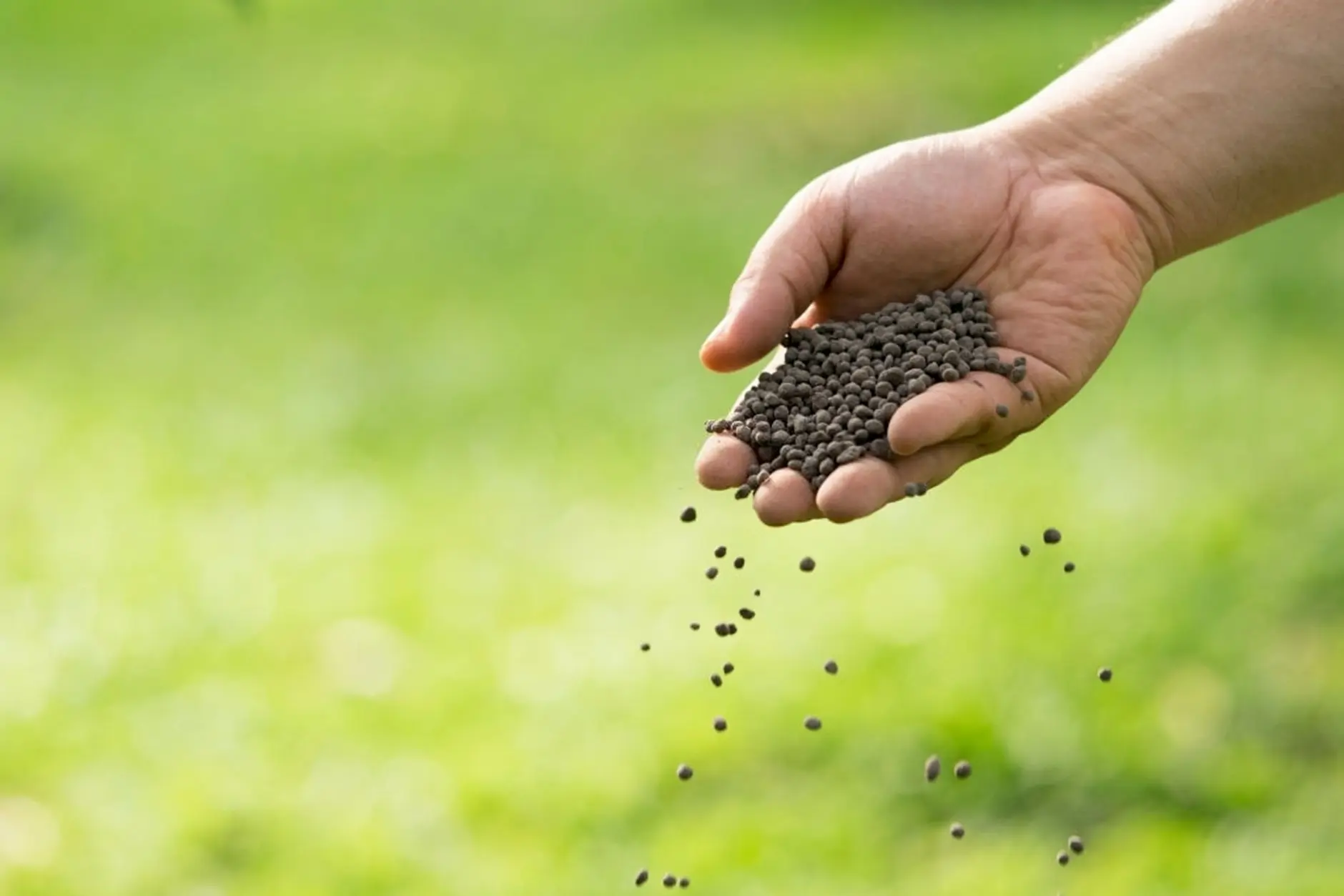
You should use a general-purpose liquid fertilizer mixed at a rate of ½ teaspoon in 3.8 litres of water. Chilli plants should be fertilized every 2 weeks when blooms appear.
Remember to check the rate on the fertilizer label.
Harvest
It’s a good idea to harvest chilli plants regularly, at any stage of ripeness, this way the plant will continue blooming and fruiting.
Cut the stem just above the chilli, to prevent damage to the plant.
Prevention
You should always taste chillies carefully before eating or adding them in the food. The heat of the chillies depends on the ripeness and the variety. Some chillies can be extremely hot while others have a bitter flavor.
When cutting chillies, always wear gloves, because the juices may be hot enough to burn the skin. Remember to wash your hands after touching the plant or the fruit.
In a Nutshell
Chilli plants require constant moisture, and they will need watering two to three times a week. Also they need plenty of sunlight and protection from wind exposure and rainfall.
Remember to fertilize, with a well-balanced formula, twice a month to promote better growth and more flowers and fruit. For good chilli seeds, you can always get them from vegetable seeds online store, such as Soon Huat Seeds.
Chillies are rich in vitamin A and C, so they are not only delicious but they are good for you too. So add them to your favorite dish, curry, stir fry or eat them in fresh salads and dips.