Common Questions About Growing Microgreens
About 20 years ago, microgreens became popular as more and more people had started growing them to add to their garnishes and salads. In fact, microgreen seeds, which are sprouting seeds are very popular for urban farmers as it takes little space to grow them indoors or outdoors.
If you are considering starting a vegetable garden, it is important to know the best microgreen seeds to plant in Malaysia. Here are some vegetable gardening tips and hacks for beginners.
1. What is a Microgreen?
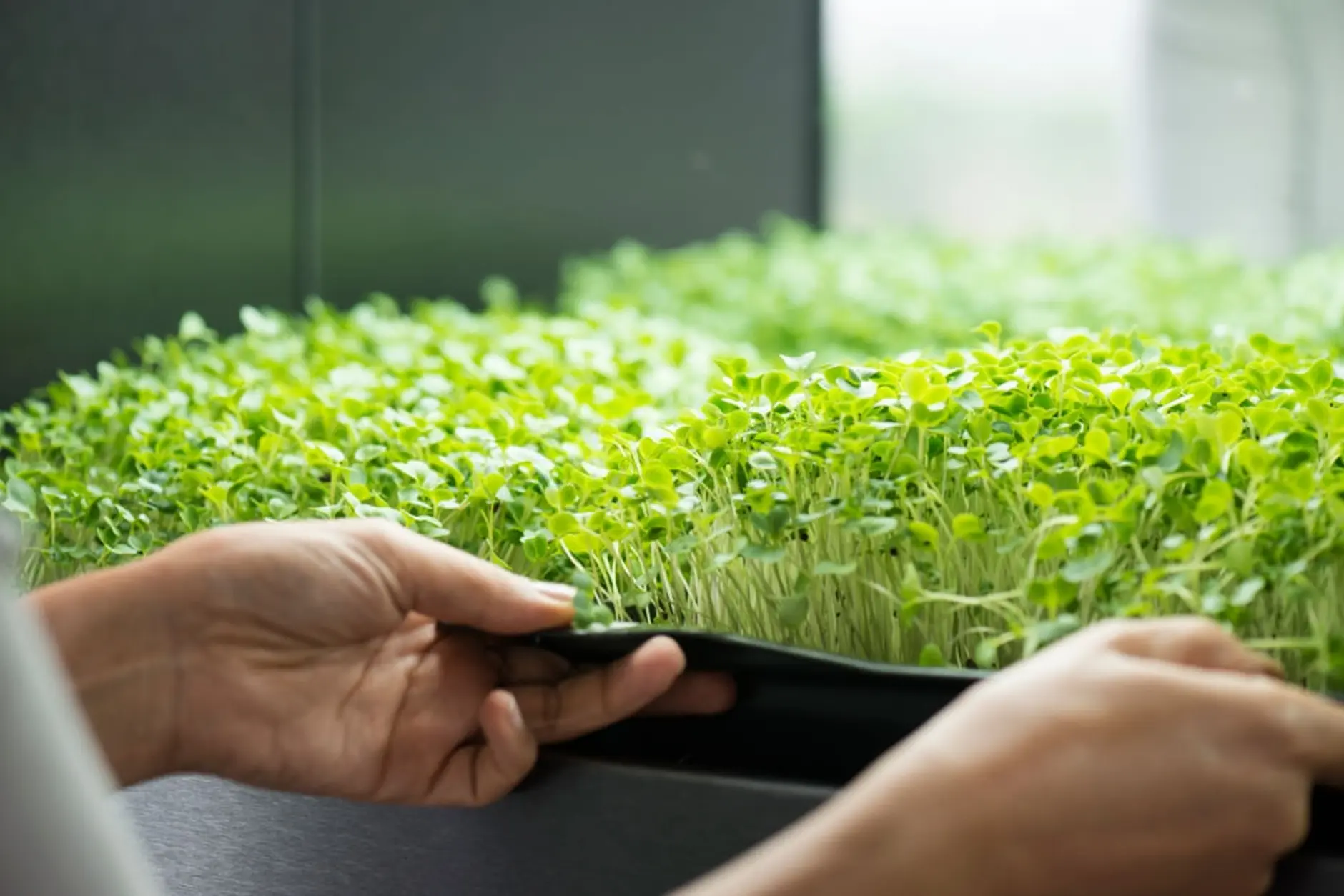
Microgreens are tiny edible plants that are older than a sprout, but younger than a full-grown plant.
It is important to harvest microgreens after the first “real” leaves have grown. You can identify microgreens because they are the smallest of the salad greens. Microgreens can be grown from almost any plant variety that would produce a mature plant.
The easiest microgreen seeds to plant in Malaysia include:
- Leaf Celery
- Buckwheat
- Spinach
- Chives
- Kangkung
2. What is the difference between microgreens and sprouting seeds?
There is no difference between sprouting seeds and microgreen seeds.
Sprouting seeds are only grown in water, and once the sprouts are ready the entire plant is eaten. The most common types of sprouting seeds in Malaysia are:
- Alfalfa
- Broccoli
- Fenugreek
- Soybean
- Clover
- Radish
- Microgreens, as explained above, is the method of growing your seeds in a medium and allowing seedlings to mature a bit before harvesting. In simple words, microgreens are baby vegetables.
- Also, keep in mind that microgreen seeds are more expensive compared to sprouting seeds in Malaysia.
3. Do microgreens regrow after cutting?
Most microgreen seeds do not regrow. But if there is at least one healthy leaf left, the microgreen has the opportunity to survive and regrow. Why? Because the seedling will still be able to continue doing photosynthesis with light.
It is important to understand that if this happens, the growth rate would be much slower than before and the second-harvest microgreens will have a slightly different taste.
If you are a commercial farmer, it is best to start everything fresh to avoid any problems with your microgreens business.
4. Can I grow microgreen seeds in Malaysia?
One of the main advantages of growing microgreens and sprouting seeds in Malaysia is that they take so little space, that you can grow them indoors when weather conditions don’t permit outdoor growing.
They are practical and profitable.
5. Why cover microgreens?
One key step to making sure the microgreen seeds grow into long and beautiful seedlings is to cover the microgreen so that no sunlight reaches it. In this case, they have no choice but to stretch out actively for the light source. This is the only way you can end up with longer, slimmer, and more tender microgreens.
Most growers will keep the dark cover phase in 3 to 5 days after germination (1 to 3 days) but not longer than that. Once you expose the microgreen to light, photosynthesis will start to take place and the microgreens will become much thicker and healthy.
Just keep in mind that some microgreens are short by nature and no matter what you do they will not grow tall.
6. What type of seeds do you need for microgreens?
Microgreen seeds are untreated seeds. They are the same vegetable seeds you use to grow full-size plants. Because the plants are grown much closer together, you need to use more vegetable seeds to grow microgreens than field-grown crops.
That’s why buying vegetable seeds online from a wholesale source, such as Soon Huat Seeds is better and more profitable.
7. When to water microgreens?
As mentioned, microgreens are grown thickly in a small area, so how much water you use is key for them to survive. The reason why microgreens fall over is due to lack of water.
Usually, you need to water your microgreen seeds twice a day to keep them moist. Keep in mind that this depends on your local weather pattern and your soil mixture too.
Make sure to use high-quality potting soil, so it will drain water quickly to prevent a soggy environment, but retain sufficient for the microgreens.
To know how much water, check out the upper and lower soil to make it wet but not solid. Use the bottom-watering method for small and feathery microgreens.
You can add water every alternate day or longer. Always lift the tray to check.
For more information about microgreens or to get good quality microgreen seeds, feel free to get in touch with us.