Pest During Rainy Season
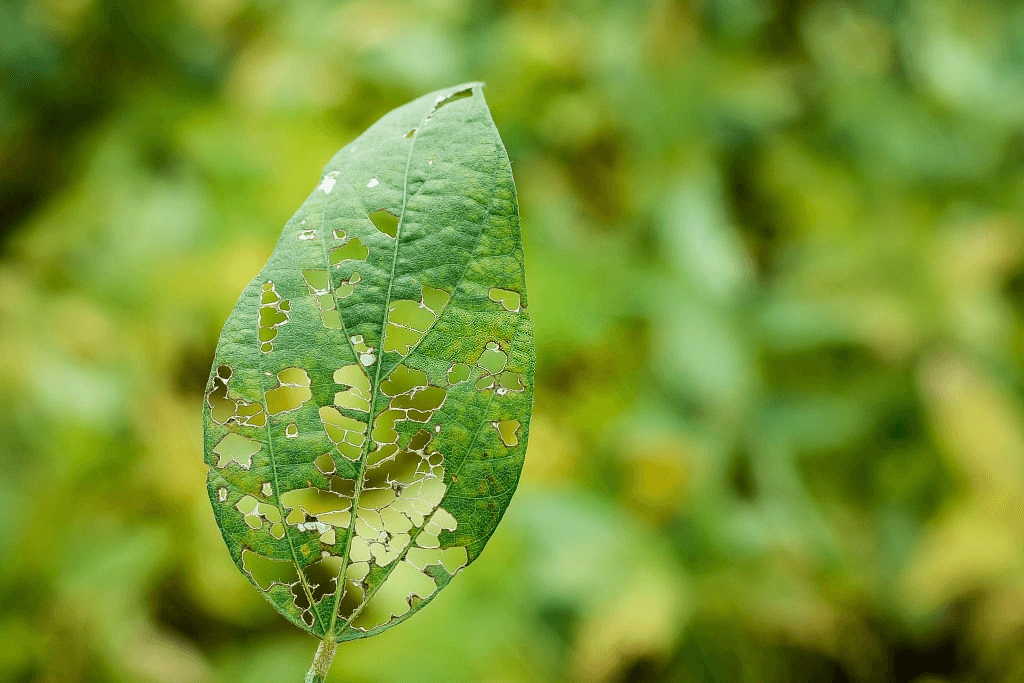
Plants need water to germinate, grow, flower, fruit, and set seed so you as a gardener should be grateful for the rainy season. But heavy rainfall can bring challenges, especially in vegetable gardens as it can cause problems with disease, crop damage, soil compaction, and uncontrollable weed growth.
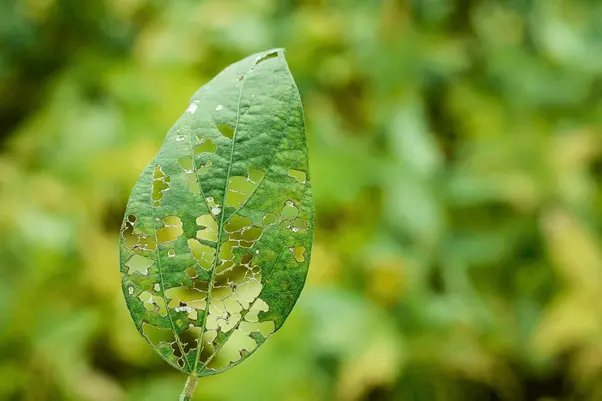
Another disease that flourishes during this time is a fungus. That’s why it is important to keep an eye on the dark brown patches or lesions often surrounded by a pale yellow halo visible on wilting foliage and stems. If this occurs you need to quickly cut the stems back to ground level and then collect and bag them.
As you may already know high temperatures and humidity can either be great for your vegetables or it can create problems with diseases and pests. It all depends on the type of vegetable seeds you grow; there are better tropical vegetable seeds that should be considered.
Problems During Rainy Seasons
Vegetable gardens need enough moisture but heavy rainfall or storms can be difficult, especially for terrace gardening. Here are the three main problems rain can bring to your garden:
- Soggy plants
- Soil erosion
- Pest and disease problems
Here are quick solutions to solve these problems.
Good Drainage
To avoid your vegetables to get soggy the best solution is to elevate your garden by planting in raised beds. By doing this you are preventing waterlogged plant roots.
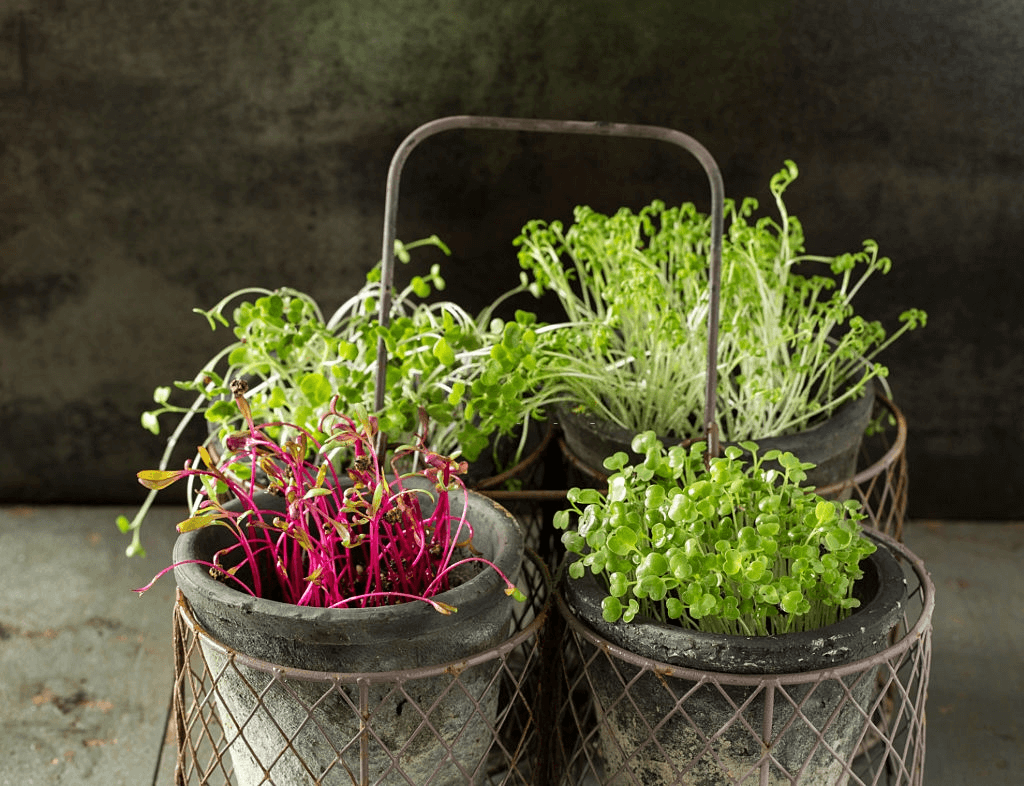
Another solution could be to grow in containers and use vertical systems such as window boxes, wall-mounted, pots on ladders, and plant stands. All of these will make the water flow and you can easily move your veggies under shade.
If you don’t have enough space in your house to grow vegetables in containers you can always buy sprouting seeds in Malaysia and grow a micro garden inside your home.
To grow your microgreen garden follow these simple steps.
1. Sprouting Seeds
Buy sprouting seeds which you can easily do it online in Malaysia. The most common microgreens seeds are:
– Rocket
– Lemon Balm
– Orégano
– Sage
– Basil
– Pak Choy
– Edamame
– Alfalfa
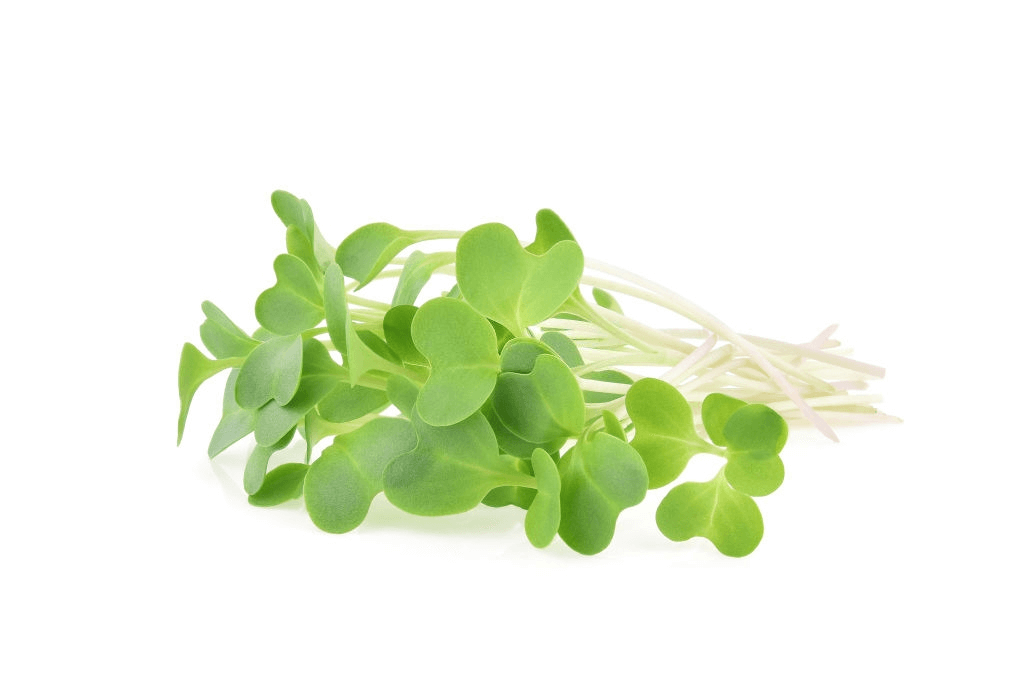
2. Soak
When you buy your sprouting seeds that are dry as they are dormant. For new life to begin you need to soak them. You can even eat soaked sprouting seeds and you will be giving your body an amazing nutritional gift.
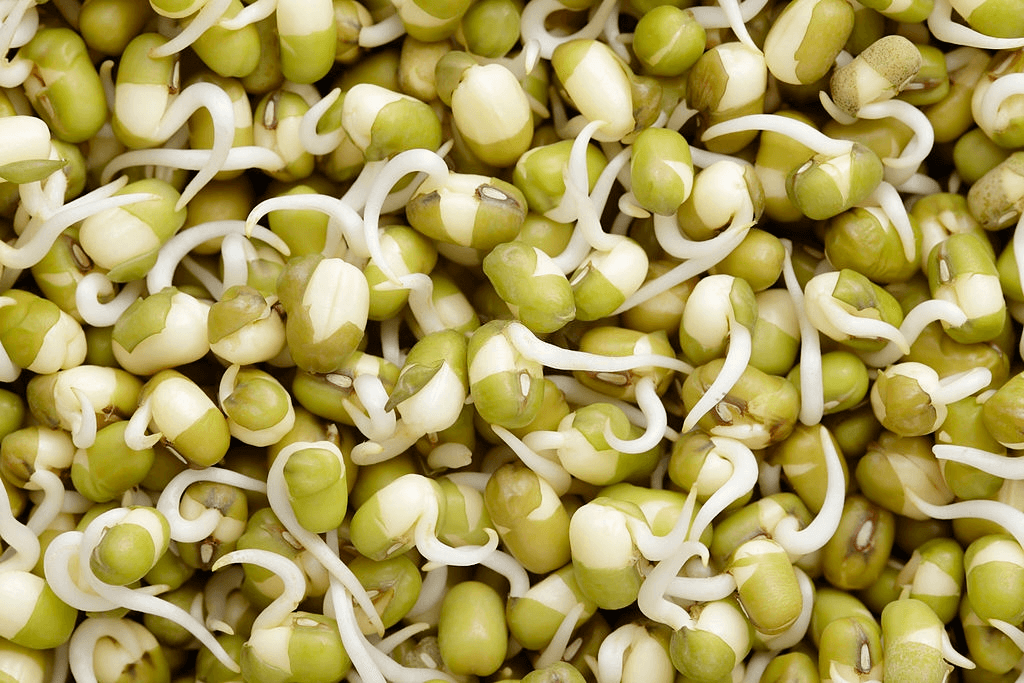
3. Rinse
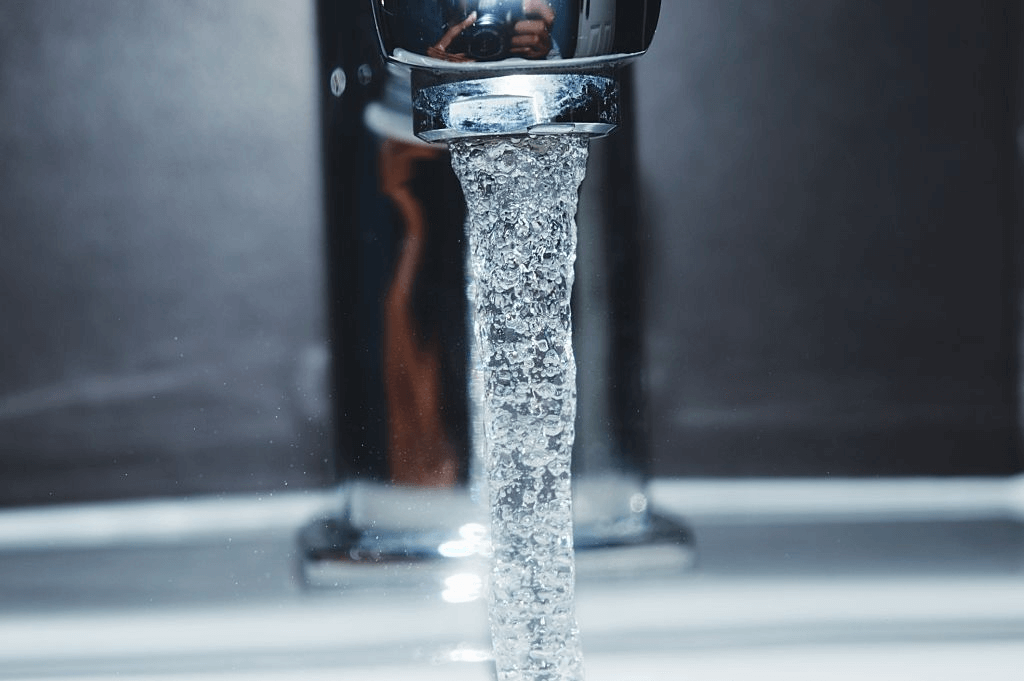
– Use cool water
– Use a lot of water
– Use high-pressure water
– Rinse 2-3 times daily
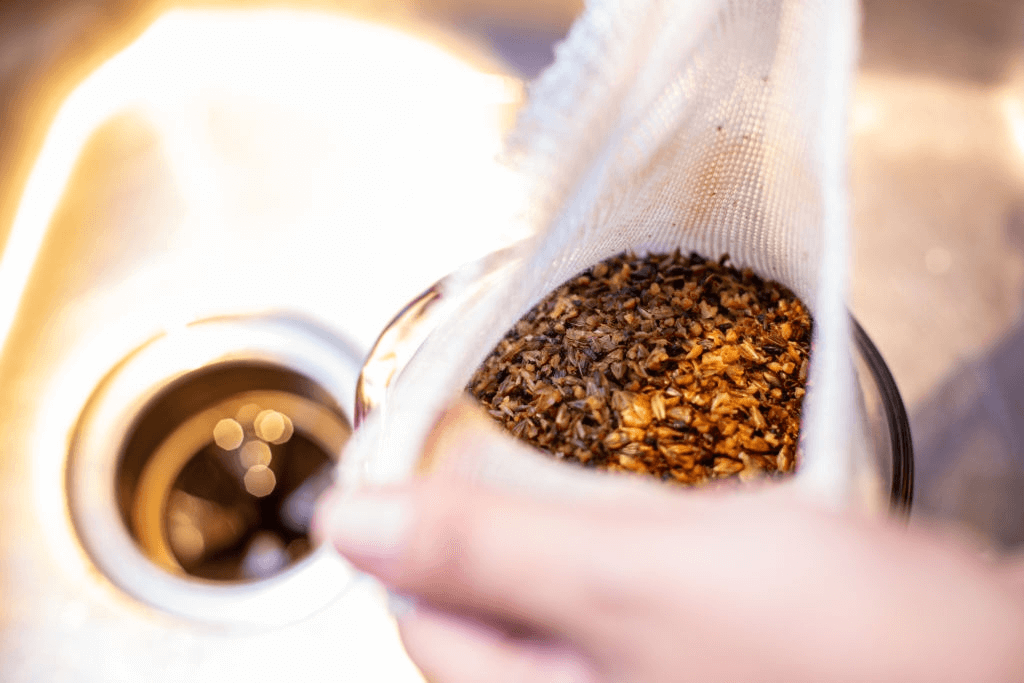
4. Drain
It is important to drain as much of the rinse water as you possibly can.
5. Air Circulation
It is important to understand that between the rinse and drain cycles your sprouts grow. Sprouts can grow just anywhere as long they can breathe, just make sure they do not have too much air as they can dry out between rinses.
A great place to set your sprouting seeds is in your kitchen counter as they can grow just fine with little sunlight or 150 watts of incandescent light.
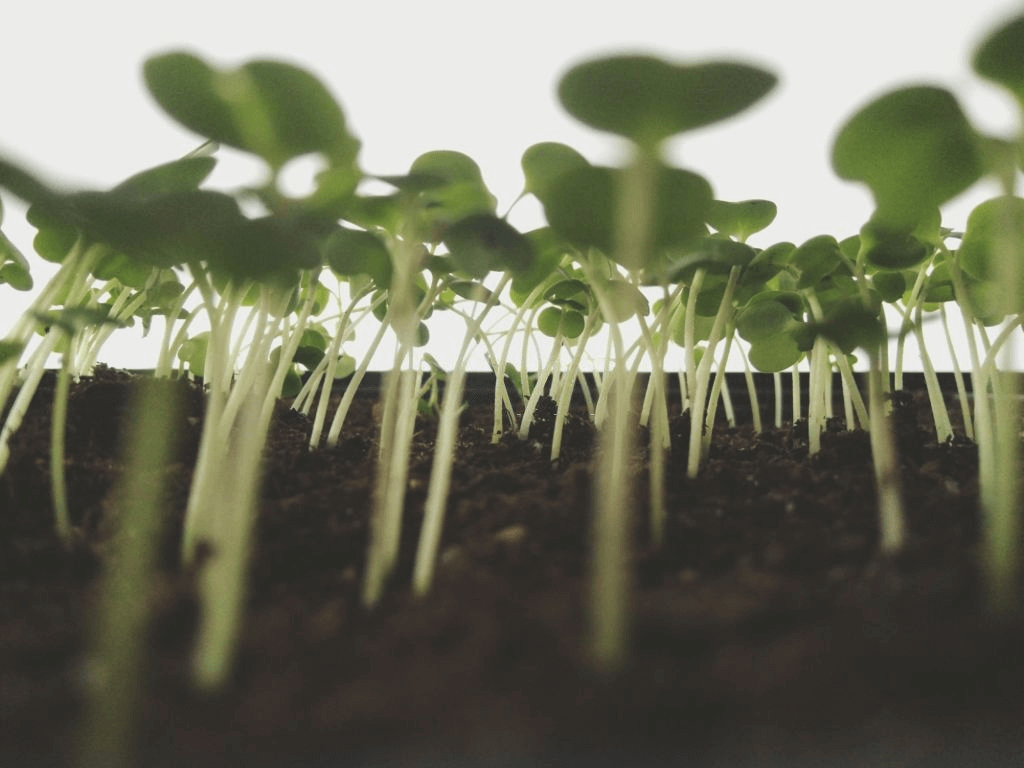
6. Greening
Once your sprouts are ready you can eat them or move them to a place in your vegetable garden and see them grow tall.
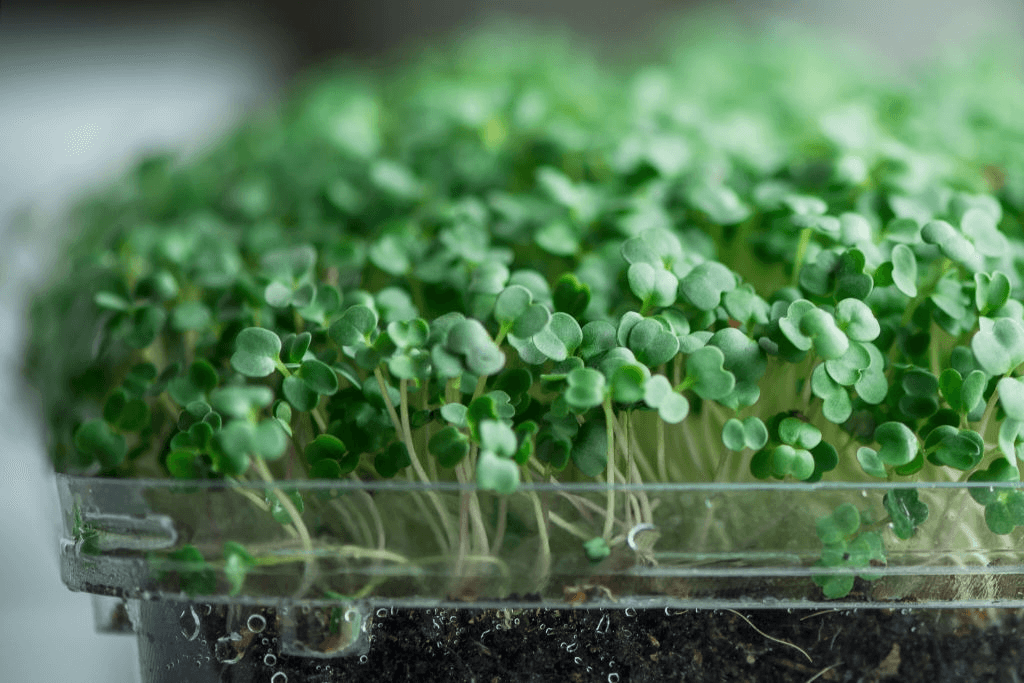
7. Planting
Depending on the type of sprouting seeds you buy you may plant them on the soil.
Redirect the Water
A great option during rainy seasons is to dig a trench to redirect water to where you need it most, rather than wasting valuable rainwater.
Prepare your Soil
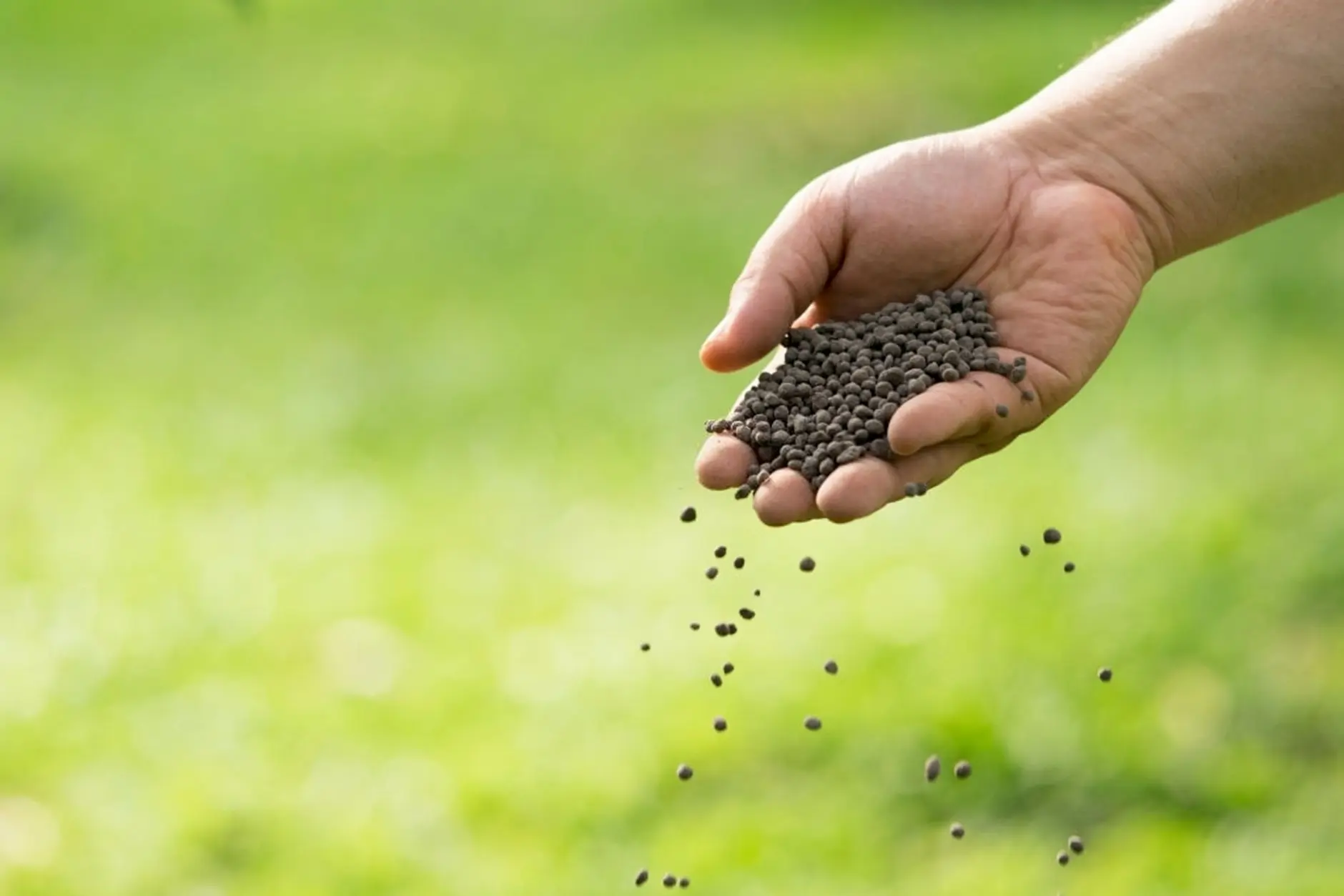
Having good soil is key for vegetable seeds to grow so it is a good idea to add organic matter to your soil. When you have good soil this will help drain away the excess moisture.
Control Pests
Do your best to give pests a hard time. They are many techniques to do this like sprinkling crushed eggshells around the base of delicate seedlings. This is perfect to keep snails away until young vegetables are established.
During rainy seasons weed germinates quickly. So on the days when there is no rain, you will need to hand weed. Be sure to protect the wet soil using planks across the ground so you can walk without any problem.
Slugs love wet and moisture conditions and they are protected by dense weed growth. If it is possible try to avoid using pesticides as they are toxic for wildlife, pets, and soil health. Instead, try to kill them by quickly cutting them in half and leaving the birds to eat them.