
How To Care And Maintain Your Bitter Gourd Plants
Bitter gourd or bitter melon is a superfood as it offers multiple health benefits. It’s a prevalent plant in Malaysia, India, and Africa. You can grow it in your vegetable garden if you have enough space.
Bitter gourd is a cucurbit vegetable. It’s a tropical weather plant and can be grown in Malaysia all-year-long as it proliferates in hot and humid climates.
Bitter gourd seeds are grown in vines and can develop up to 5m. 20cm long is commonly the size of the fruits formed in the vines. You can typically harvest ten fruits per plant.
As the name suggests, the fruit is bitter in flavour and has a crispy and watery texture. People love to eat bitter gourd when it’s green or when it starts to turn yellow.
Keep in mind that the darker the skin, the bitter the flavour. Many people also eat the leaves and dry the fruit to drink it as a hot beverage.
How To Grow Bitter Gourd Seeds?
1. Location and Climate
To grow bitter gourd, it’s best to have soil temperature at a minimum (for example, at 15° Celsius). The bitter gourd seeds germinate in approximately seven days only if the weather is above 20° Celsius. The plant starts flowering above 26° Celsius.
Select a warm sunny spot on your vegetable garden to grow bitter gourd seeds. The plant demands at least 6 hours of sun per day.
2. Soil
Bitter melon seeds require a soil pH of 5.5 to 6.7. Even though bitter gourd can withstand many soil types, it prefer a loamy or sandy ground.
The soil must be rich in organic matter. Please note that the seeds won’t grow in soaked roots.
3. Planting
Sow bitter gourd seeds in the ground about 1.25cm deep with a distance of 30cm apart. It’s best to sow two seeds in each opening.
We recommend planting bitter gourd seeds on a trellis or fence to reduce pests and diseases and make harvesting not tricky.
It’s essential to prune as the vine grows, and don’t forget to remove all lateral branches. Doing this triggers the upper branches to grow and develop a higher supply.
We recommend sowing bitter gourd seeds directly on the ground as they don’t transplant well. Remember, you can plant them in roofs, pergolas, stakes, trellis, or poles.
4. Watering and Fertilising
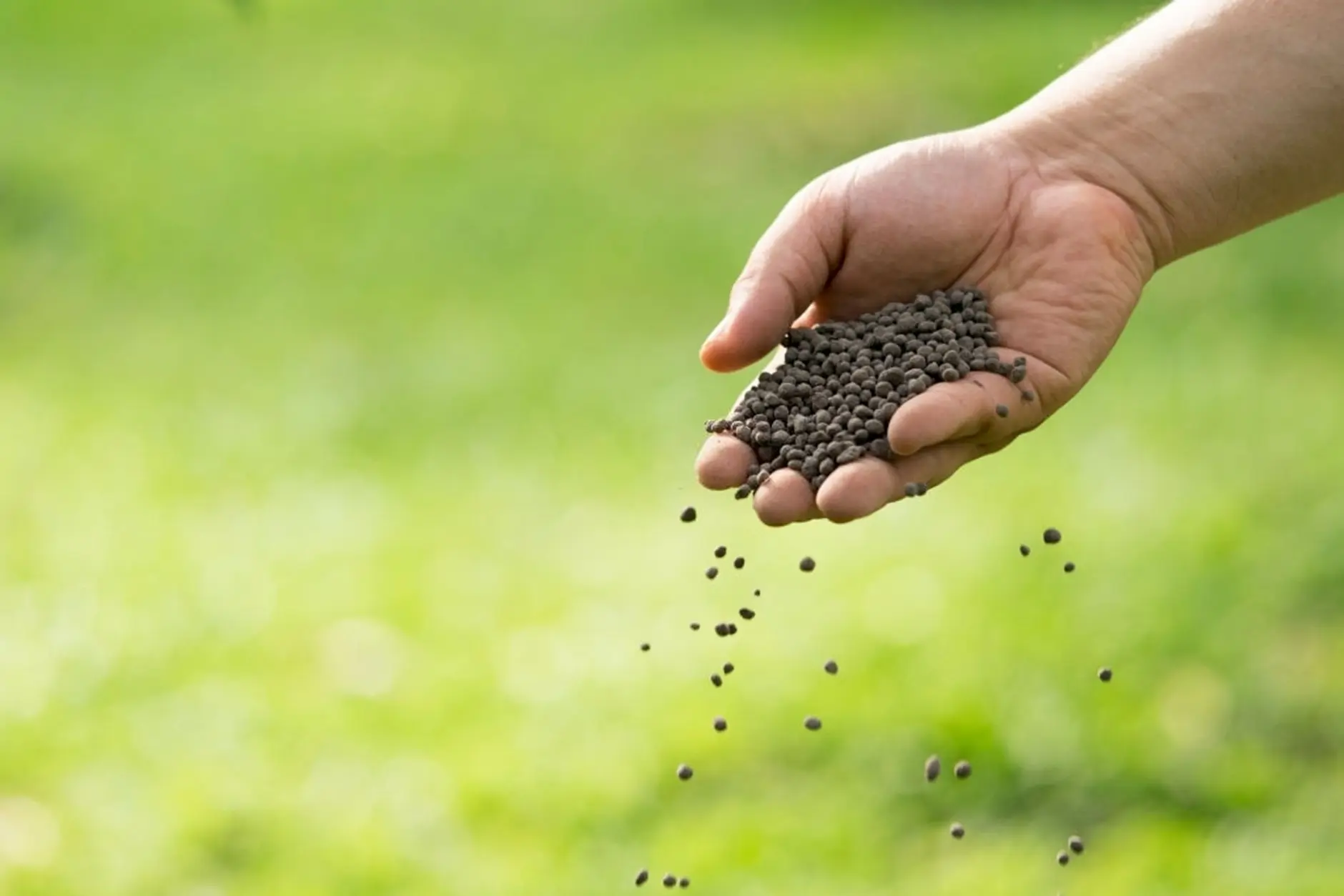
Even though bitter melons aren’t heavy feeders, it is an excellent idea to add one tablespoon of low nitrogen fertiliser to each vine.
Once the bitter gourd seeds begin flowering, you need to add organic manure to stimulate healthy growth and a fair amount of fruits. Make sure you water after adding the fertilizer.
Bitter gourd seeds need moist soil for growth and fruit production. Never overwater as it will kill the roots. Add compost to help keep moisture in the ground and provide nutrients during the growing period.
5. Pollination
Melons produce female and male plants. If you don’t have pollinators like bees in the area, you should do it by hand during the day. Please note that female flowers have a bulky zone between the stem and the flower. Compress the male and female flowers together; this will transfer the pollen to the female flower.
The easiest way to know if you need to encourage pollination is if the bitter gourd plant has numerous flowers but no fruits. Besides doing hand pollination, you can also stimulate bees to enter your growing area by planting flowering plants.
6. Harvesting
Bitter gourds can be harvested every seven to ten days from each plant. It’s crucial to be patient as it’s essential to allow them to grow and properly develop.
You can expect to see the fruits 60 or 90 days after planting.
Bitter gourds that are bigger than 6cm can be harvested. People usually collect them as green vegetable, but it all depends on your needs. Harvest bitter gourds whenever you desire.
In a Nutshell
Growing vegetables in your garden is easy as all you need is bitter gourd seeds, soil, water, warm temperature, space, sun, and care to produce bitter melon successfully.
As you can see, bitter gourds are easy to develop; just follow the above tips.